


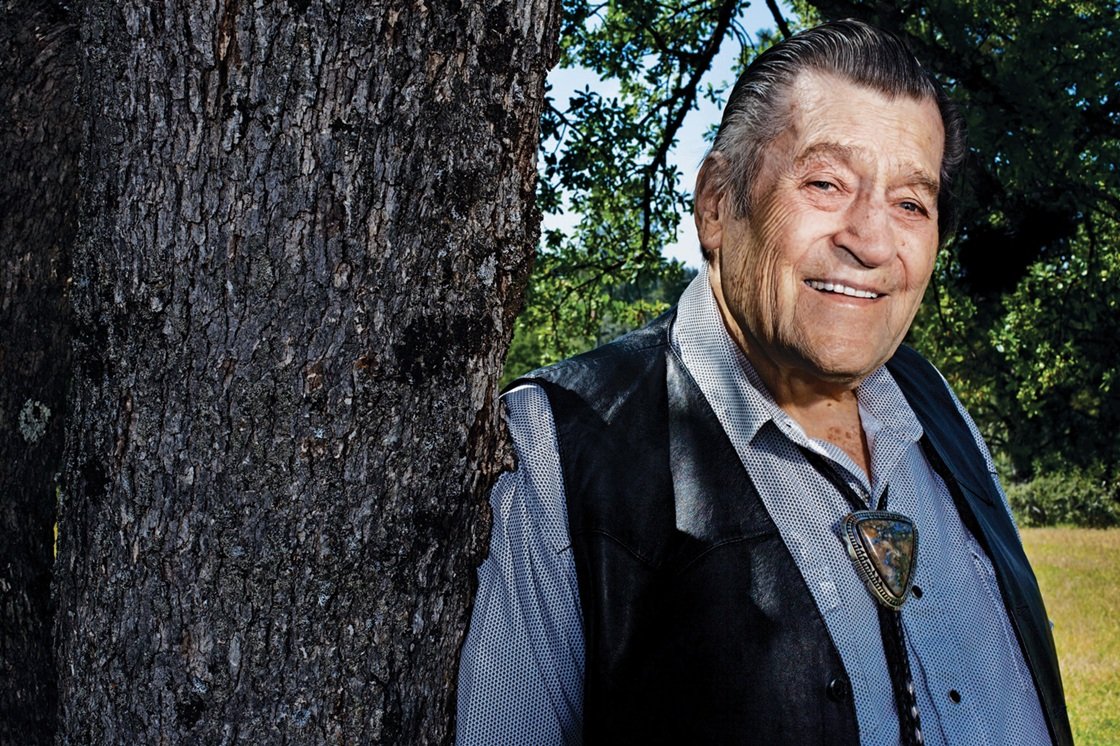
introduction to Clint Walker Height
Clint Walker was one of the most physically impressive and memorable stars of classic American Western cinema and television. Best known for his role as Cheyenne Bodie in the long-running TV series Cheyenne, Walker’s height, presence, and charisma defined his screen persona. In this article, we will explore every aspect of Clint Walker’s height, how it shaped his career, how people perceived him, and how it fits into the larger story of his life. Along the way, we’ll take a full look at his early years, his rise to fame, his achievements, and his lasting legacy, giving you a rich and complete understanding of one of Hollywood’s tallest leading men.
Understanding Clint Walker’s height may seem like a simple fact, but it tells us a lot about how actors become identified with certain roles, how physical attributes can shape a career, and why audiences respond to certain kinds of stars. At around 6 feet 6 inches (198 centimeters) tall, Walker stood head and shoulders above most of his co-stars, and the way he carried himself on screen was part of what made him so beloved by generations of fans. His towering stature not only helped define iconic Western characters but also became an integral part of his personal identity.
Clint Walker Wiki Bio
| Field | Details |
|---|---|
| Full Name | Norman Eugene Walker |
| Popular Name | Clint Walker |
| Date of Birth | May 30, 1927 |
| Place of Birth | Hartford, Illinois, United States |
| Date of Death | May 21, 2018 |
| Age at Death | 90 Years |
| Nationality | American |
| Profession | Actor, Singer |
| Famous For | Role as Cheyenne Bodie in Cheyenne |
| Height | 6 feet 6 inches (198 cm) |
| Weight | Approx. 235 lbs (107 kg) |
| Eye Color | Blue |
| Hair Color | Brown |
| Zodiac Sign | Gemini |
| Years Active | 1954 – 1998 |
| Marital Status | Married |
| Spouse(s) | Verna Garver (m. 1948–1968), Giselle Hennessy (m. 1974–1994), Susan Cavallari (m. 1997–2018) |
| Children | 1 (Valerie Walker) |
| Notable Works | Cheyenne, The Dirty Dozen, Gold of the Seven Saints, Fort Dobbs |
| Net Worth (Estimated) | $4–5 Million (at time of death) |
| Religion | Christianity |
| Residence | Grass Valley, California, United States |
Table of Contents
Early Life and Family Background
Clint Walker was born Norman Eugene Walker on May 30, 1927, in Hartford, Illinois, a small town in the American Midwest. He grew up in a working-class family, and from an early age he was known for being larger and stronger than many of his peers. Standing out physically even before he became famous, he gradually grew into a very tall young man. His parents were hard-working and instilled in him a strong sense of responsibility, work ethic, and determination. These traits would serve him well as he pursued a career in entertainment.
From a young age, Walker was athletic and enjoyed activities that built strength and stamina. He played sports in school and was known as someone who could handle physically demanding tasks. As he entered his teenage years, his growth continued steadily. By the time he reached adulthood, his height was already making him stand out dramatically. Reaching around 6’6” as an adult, Walker’s physical development earned him opportunities that might never have come his way had he been shorter or more average in stature.
Walker’s early years also shaped his worldview and work ethic. Before acting, he worked a variety of jobs, including as a lumberjack, cowboy, and miner. These roles kept him physically active and added to the Western image he would later project on screen. The combination of his real-world skills and his imposing physical presence made him naturally suited for the rugged characters that would define his acting career.
How Tall Was Clint Walker?
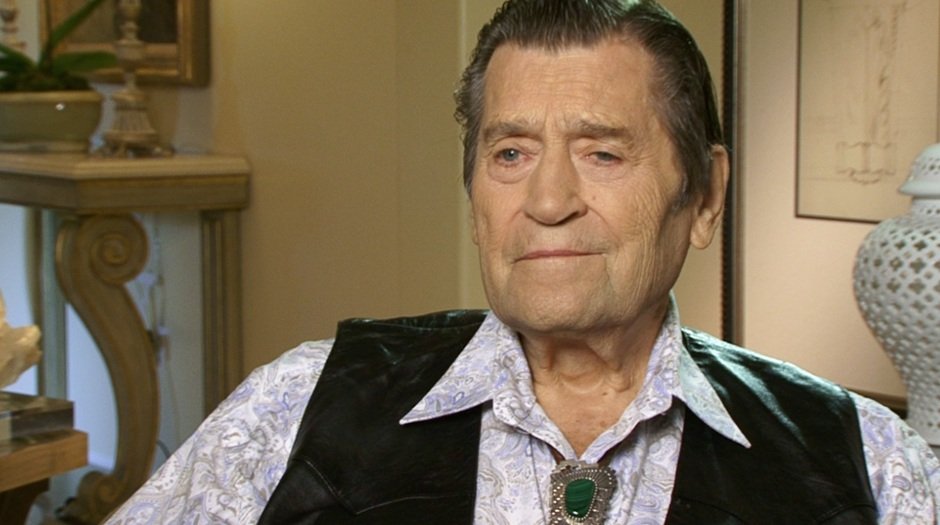
Clint Walker’s height has been a topic of interest not just for fans but for historians of film and television as well. Most trusted sources, including film databases and biographies, list his height as 6 feet 6 inches (198 cm). In an industry where the average height for male actors tends to fall closer to 5’10” or 6’0”, Walker stood well above the norm.
This height made a big difference in his casting. Directors and casting agents immediately saw how his physical presence could be used to convey strength, authority, and rugged charm. When Walker was cast as Cheyenne Bodie, the producers of Cheyenne wanted someone who not only looked the part of a Western hero but felt like one. His height immediately set him apart from other actors, making him the perfect choice for a wandering cowboy who could handle danger with quiet confidence and calm strength.
Even off screen, his height became part of his identity. In interviews and photographs, Walker’s towering figure stood out alongside co-stars and interviewers. Fans often remarked not just on his face or his voice, but on the fact that when he entered a room or walked onto a set, people noticed him right away.
Height in Hollywood: Advantage and Typecasting
Clint Walker’s height was a clear advantage in many ways, but it also shaped the kinds of roles he was offered. On the positive side, his size made him a natural choice for Westerns, adventure films, and roles requiring physical presence. Hollywood in the 1950s and 1960s was drawn to actors who could embody rugged masculinity, and Walker fit that mold perfectly.
At the same time, his height may have limited him in other genres. Roles that demanded a more average or relatable physical presence sometimes went to other actors. Directors casting romantic leads, comedies, or more dramatic non-Western roles often looked for performers whose physical appearance matched the emotional tone of the story. In this way, Walker’s height helped shape the direction of his career — carving out a niche that he filled with excellence and authenticity.
Despite possible typecasting, Walker embraced the opportunities he received and turned them into a long and successful career. Rather than trying to shift against the image Hollywood created for him, he worked within it and became one of the most recognizable Western stars of his era.
The Role of Cheyenne Bodie and Television Stardom
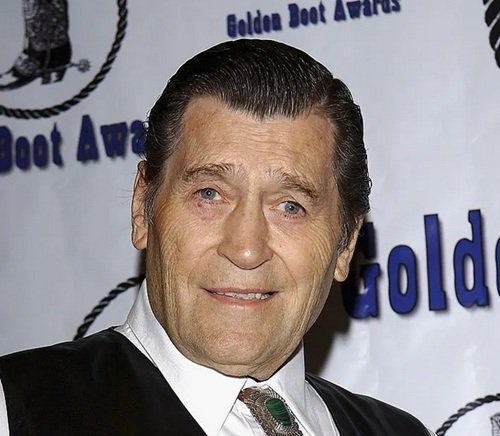
Walker’s most famous role was Cheyenne Bodie, the title character in the television series Cheyenne, which aired from 1955 to 1963. The show was groundbreaking in many ways, and Walker’s physical presence was a major factor in its success. Playing a drifting cowboy wandering the American West, Cheyenne Bodie was a symbol of independence, strength, and a moral code that resonated with audiences.
Walker’s height helped to visually define the character. On horseback, standing beside rugged landscapes, or confronting villains, his tall figure created a striking and memorable image. Viewers associated his physical presence with the mythic qualities of the Old West — unafraid, self-reliant, and physically capable. His performance made the character larger than life, but also believable because of Walker’s calm demeanor and grounded acting style.
The success of Cheyenne made Walker a household name and allowed him to transition into feature films later in his career. But it was his height and screen presence in this role that helped cement his legacy as one of the most iconic Western stars in television history.
Comparing Walker’s Height to Other Hollywood Icons
Clint Walker’s height was notable not only in his own career but also in comparison to other stars of his time. Many leading men of the 1950s and 1960s were tall, but few reached Walker’s level of stature. For example, actors like John Wayne — another famous Western figure — were tall by average standards, but Wayne stood around 6 feet 4 inches, slightly shorter than Walker. Other stars like Henry Fonda and James Stewart were closer to average height for the period.
In the context of Hollywood history, Walker’s height makes him one of the tallest actors to achieve sustained leading-man status. While some character actors and supporting performers may have been taller, few carrying a series or leading roles in major productions matched his physical stature. This helped Walker stand out in promotional materials, posters, and television appearances.
Off-Screen Life and Physical Presence
It’s worth noting that Clint Walker’s height was only one part of his physical presence. He also had a broad build, strong shoulders, and a calm but commanding voice that added to his overall impression. People who met him off screen often described him as approachable and down-to-earth, even though his appearance could be intimidating at first glance.
In interviews, Walker spoke about the importance of physical fitness and taking care of his body. Before acting, his life as a laborer and outdoorsman meant that physical strength was a natural part of his identity. As he moved into acting, he maintained good physical condition, which helped him perform many of his own stunts and handle action scenes with ease.
His height didn’t make him distant or unrelatable; instead, it became part of a larger personality that balanced strength with humility. Co-stars and crew members often remembered him as someone who could be both serious about his work and easy-going in casual moments.
How Height Shaped Fan Perception and Legacy
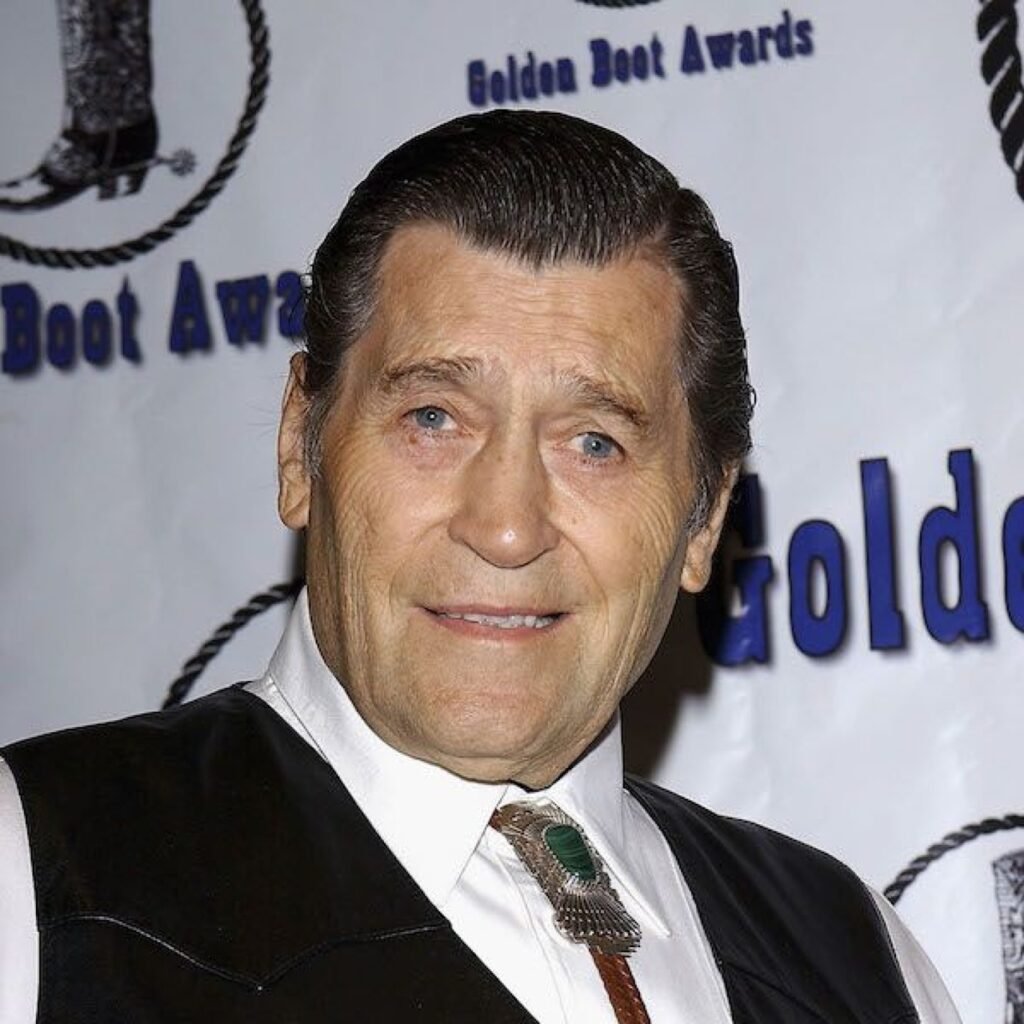
Fans of Clint Walker often talk about his height not just as a physical statistic but as part of what made him memorable. In fan clubs, conventions, and online communities dedicated to classic Westerns, people still reference his size as part of the legend of Cheyenne Bodie. It wasn’t just that he was tall — it was that his height was tied to the characters he played and the stories he told.
In promotional photos, posters, and memorabilia from Cheyenne and his films, his towering frame stands out dramatically. These images helped define the idea of a Western hero in the minds of audiences who grew up watching black-and-white television sets or first-run cinema screenings. His height wasn’t just a number — it was a visual signature that helped establish a mood and evoke a world that viewers loved.
Later Career: Films and Other Television Work
After Cheyenne ended its television run, Clint Walker continued to work in film and television. His height continued to be an asset as he took on roles in war movies, action films, and more Westerns. Films like The Dirty Dozen and Gold of the Seven Saints showcased his ability to handle varied characters while still projecting the strength audiences expected from him.
Even in roles outside of Westerns, his physical presence remained an important part of how directors and audiences experienced his performances. In ensemble casts or dramatic scenes, he naturally drew attention with his stature without ever needing to shout or dominate — a testament to his skill as an actor and to the natural confidence his height gave him.
Personal Reflections: Walker on His Own Height
Clint Walker never shied away from talking about his physical attributes, including his height. In interviews later in life, he acknowledged that his size had shaped his career in significant ways. He spoke about how directors used his presence to create a specific mood on screen and how audiences responded to a hero who seemed as real as he was tall.
But he also emphasized that acting was more than physical appearance. Walker believed that character, commitment, and emotional depth were just as important as any physical trait. For him, height was a tool — not the entire story.
The Broader Significance of Height in Acting
Clint Walker’s height can also be understood in the larger context of film history and performance. Physical attributes often play a role in how actors are cast, how audiences perceive characters, and how stories come alive on screen. Some actors become known for certain looks, voices, or physical qualities that make them ideal for specific genres. Walkers’ height made him a natural cowboy, a natural hero, and a figure audiences could easily believe as someone who stood up to danger, injustice, or challenge.
But underneath the physical stature was a talented actor who could use voice, expression, and presence to convey emotion and depth. In Walker’s career, height was an advantage — but talent was what sustained his success.
Life Beyond Acting
Clint Walker lived a rich life outside of acting. After retiring from regular film and television work, he pursued interests in painting, music, and other personal passions. He enjoyed time with family and friends and remained connected to fans who still remembered him from his iconic roles.
His physical presence remained part of his identity, but those who knew him personally often emphasized his generosity, kindness, and thoughtful nature. Many people who worked with him later in life spoke about how, despite his imposing height, he was gentle, respectful, and easy to talk to.
Legacy: How History Remembers Clint Walker
Today, Clint Walker’s name remains synonymous with the classic Western hero. His height is often the first fact people mention when describing him, but it is far from the only reason he is remembered. He embodied a combination of traits — strength, confidence, humility, and talent — that made him a standout figure in Hollywood history.
Fans and scholars of television history continue to revisit his work, appreciating not just the physical presence he brought to the screen but the emotional resonance of his performances. The stories he told — from wandering cowboys to action heroes — continue to resonate because they speak to timeless themes of courage, integrity, and resilience.
Final Thoughts: A Life Measured More Than in Inches
Clint Walker’s height of 6 feet 6 inches is just one part of a remarkable life and career. It helped shape his path, define his roles, and make him a memorable presence in the world of entertainment. But what truly defined Walker was the way he used that height — not as a gimmick, but as a natural extension of who he was: a strong, capable, grounded individual who brought authenticity and presence to every role he played.
When we look back at his legacy, we see more than just a tall actor. We see a figure who stood tall in the hearts of audiences, whose performances defined a genre, and whose life remains an inspiring story of talent meeting opportunity. Clint Walker’s height may be the beginning of the story, but it is far from the end — and his influence will continue to be felt by fans of classic cinema and television for generations to come.
Also read Kate Hudson Height: How Tall Is Kate Hudson? Full Biography, Career, Family, and More
